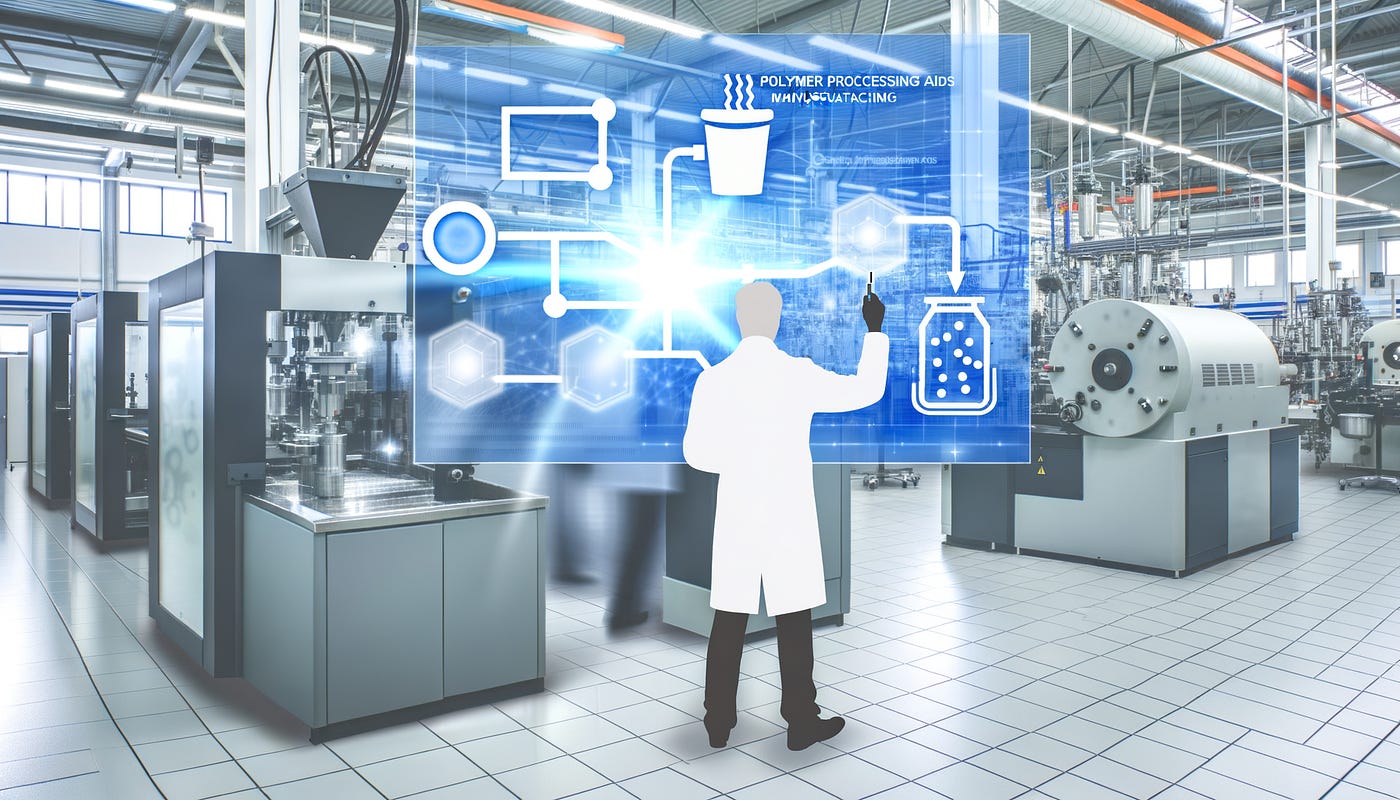
Revolutionizing Manufacturing: The Impact of Polymer Processing Aids
Polymer Processing Aid Market

In today’s competitive manufacturing environment, the need to enhance production efficiencies without compromising on quality is more pressing than ever before. Among the numerous solutions available, Polymer Processing Aids (PPAs) have emerged as a transformative tool in optimizing the manufacturing processes across various industries. This article will delve into the manifold benefits of PPAs, examining their critical role in manufacturing efficiencies.
Unpacking Polymer Processing Aids: What Are They?
Polymer Processing Aids are additives used in polymer processing to improve both throughput and quality. Typically composed of diverse functional polymers, these aids are added in small quantities but yield significant benefits in terms of production efficiency and product performance.
Key Benefits of Polymer Processing Aids
1. Enhanced Processing Efficiency
Polymer Processing Aids simplify the flow of materials during processing, reducing energy consumption and minimizing processing times. This improved efficiency not only accelerates output but helps conserve crucial resources.
Better Flow Characteristics: PPAs reduce viscosity, allowing materials to flow more smoothly through extrusion or molding machines.
Lower Energy Consumption: With more straightforward flow, machines require less energy to process the same quantity of materials.
2. Improved Surface Quality
Polymer Processing Aids can significantly enhance the surface quality of manufactured products by reducing die build-up and other surface anomalies that can undermine product quality.
Smoother Surfaces: PPAs facilitate smoother extrusion processes, resulting in products with a refined finish.
Reduced Defects: Minimizing die build-up and melt fracture, PPAs produce fewer defects, enhancing the end product’s visual appeal and integrity.
3. Cost Savings
While an upfront investment, the long-term financial benefits of employing PPAs in manufacturing processes are substantial. The investment in these aids often results in lower operational costs.
Higher Quality Output: Less waste and fewer defects translate into cost savings.
Extended Equipment Lifespan: Improved material flow and reduced friction can lead to less wear and tear on equipment, ultimately reducing maintenance costs.
Understanding Different Types of PPAs
Polymer Processing Aids vary in composition and functionality, offering solutions for multiple processing challenges. Understanding the different types and their applications empowers manufacturers to tailor solutions specific to their needs.
Slip Agents: Reduce the friction between surfaces or against equipment during processing.
Antistatic Agents: Prevent static build-up during the production process.
Dispersants: Improve the dispersion of additives in the base polymer, crucial for consistent product quality.
Case Studies: Success Stories in Manufacturing
Manufacturers around the world have already begun to recognize the potential of PPAs, leading to notable advancements.
Global Packaging Company
A leading packaging company integrated PPAs into its production lines, realizing up to a 15% increase in throughput and reducing material wastage by 20%.
Automotive Components Manufacturer
In the automotive industry, a notable components manufacturer extensively used PPAs which remarkably improved the durability and surface finish of its parts, enhancing the overall quality, leading to increased market competitiveness.
Addressing Environmental Concerns
While the manufacturing industry is often scrutinized for its environmental impact, implementing PPAs can contribute positively.
Reduced Emissions: By enabling more efficient processing, PPAs can lower the carbon footprint of manufacturing operations.
Sustainable Practices: Enhanced efficiencies mean less wastage and a more sustainable manufacturing approach.
Overcoming Challenges in Adoption
Despite the myriad benefits, some manufacturers remain hesitant about adopting PPAs due to misconceptions or initial cost barriers. Education and awareness are critical to overcoming these obstacles.
Training Initiatives: Implementing workshops to train factory staff on the benefits and usage of PPAs can foster smoother adoption.
Partnerships with Experts: Collaborating with research institutions or suppliers to tailor PPA solutions specific to their unique challenges.
Looking Forward: The Future of PPAs in Manufacturing
As industries continue to innovate, the role of polymer processing aids in manufacturing will become more pronounced.
Technological Advancements: Future enhancements in PPAs may lead to even greater efficiencies and broader applications.
Increased Adoption Across Sectors: As awareness of PPA benefits grows, more industries will likely integrate them to optimize their production lines.
Conclusion: Embracing Change for Tomorrow
Beyond the tangible benefits in manufacturing efficiency and cost savings, Polymer Processing Aids represent a critical step towards a more sustainable and competitive manufacturing future. By understanding and leveraging the potential of PPAs, manufacturers can drive tangible growth and secure a competitive edge.
For further insights and detailed studies on Polymer Processing Aids, visit:
Read More @ https://www.360iresearch.com/library/intelligence/polymer-processing-aid
SOURCE —